Haute and Steamy
Tom Ford arrived at Gucci in 1990 when the brand was a fading leather goods house burdened by family infighting and stagnant designs. He was originally hired to oversee womenswear, but his rapid rise to creative director in 1994 changed the course of fashion. He once said during an interview with WWD,
It’s easy to fall back on what you know is safe, but… I wanted to bring the edge back to Gucci that it had had in the Fifties and Sixties.
—Tom Ford
Tom Ford brought sexy back. He was Gucci’s provocateur, and everyone was seduced. Drawing from his disco days at Studio 54, he swapped the heritage house aesthetic for hyper-sexualized seventies decadence cut with nineties minimalism. Models walked down the runway with silk body-hugging unbuttoned button-downs, jersey cutout dresses, velvet suits, and Gucci g-strings.
It transformed the brand. Tom Ford took Gucci from a wilting flower to a garden of pleasure, restoring its original luster.
He closed his Gucci chapter in 2004 with a final collection that left people wanting more. It was an abrupt end to a stellar start, one that Ford has expressed regret over. Fortunately for us, his designs outlasted his time at Gucci.
Let’s sink our teeth into a few FASHIONPHILE favorites.
Lust for Luxe
Tom Ford’s bag designs took archival Gucci symbols and made them feel illicit. He created It Bags that defined an era and redefined fashion.
The Metal Bamboo
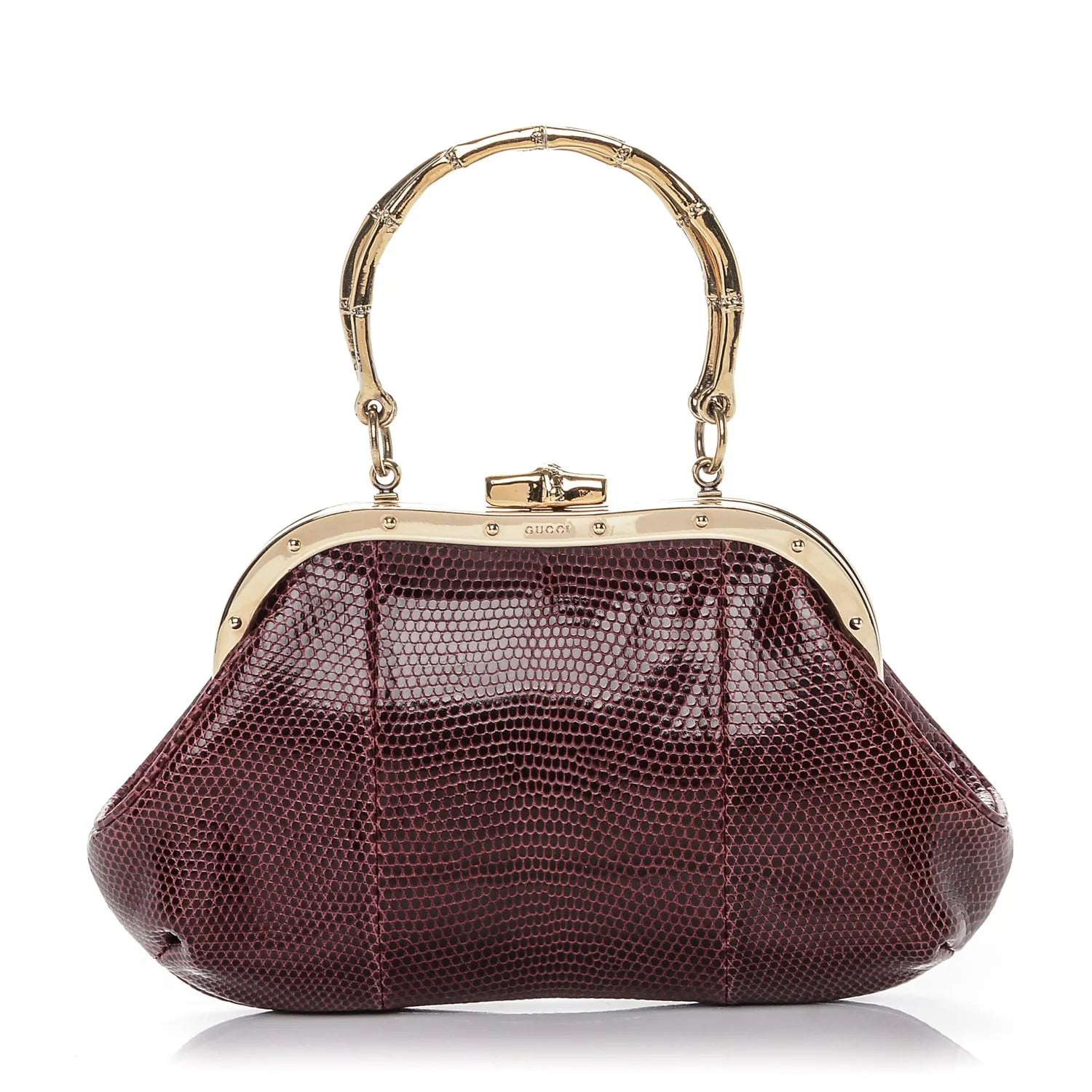
Ford took the segmented handle of the original Gucci Bamboo 1947 and cast it in solid metal. By replacing the traditional wood with gold and silver-toned hardware, he moved the design away from its post-war origins and into the hedonistic glamour of his Fall 1996 collection.
The Jackie Revival
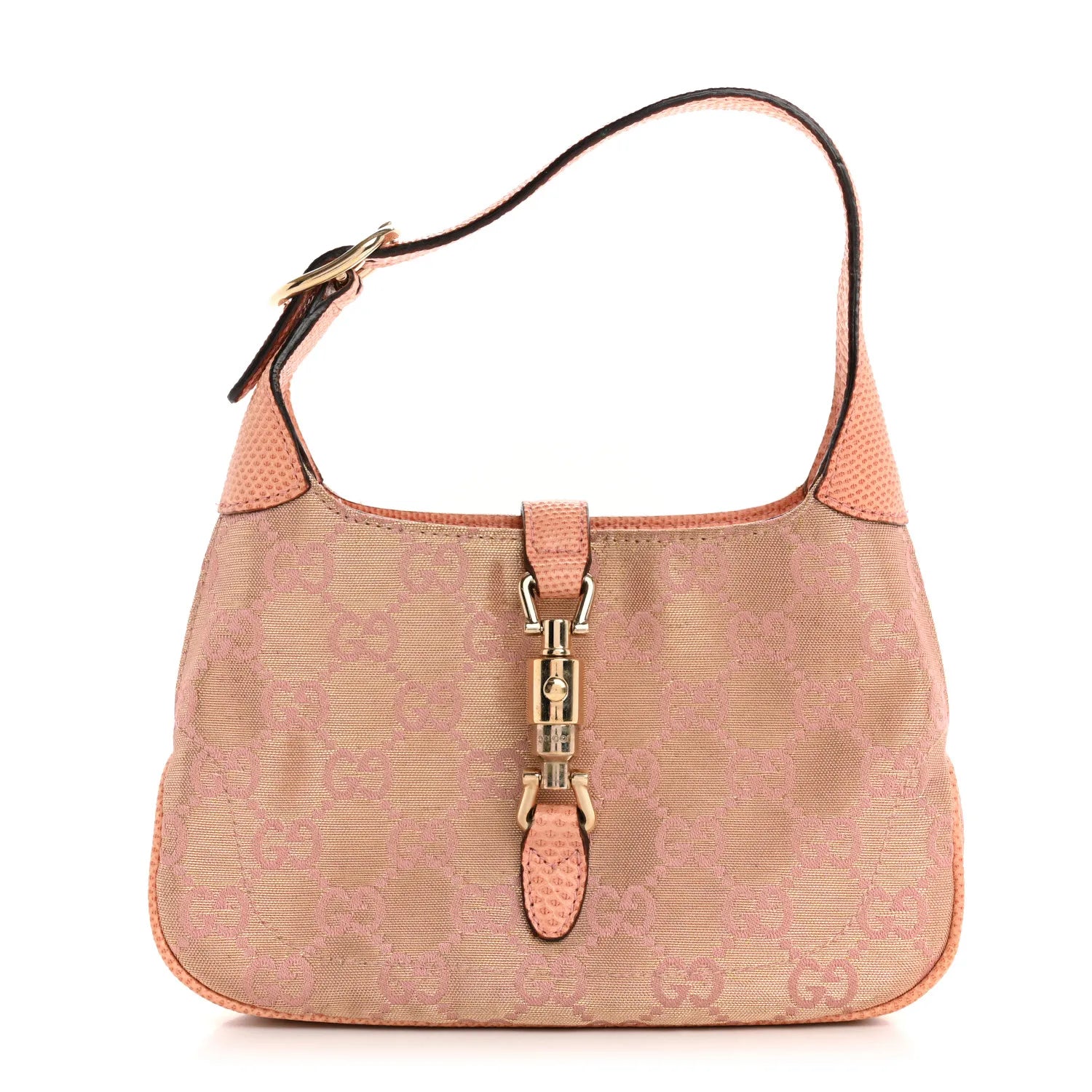
Originally named for Jackie Kennedy in 1961, the Gucci Jackie had become a conservative classic until Ford got his hands on it. He reissued the bag in electric blue, ruby red, and iridescent python, stripping away its politeness and replacing it with provocation.
The Horsebit Clutch
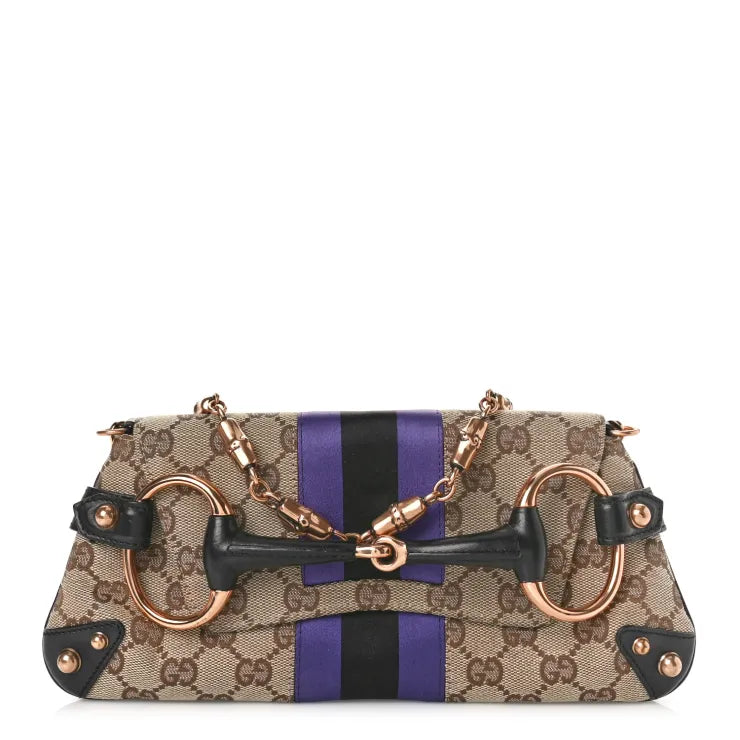
Perhaps his most famous creation, the Horsebit Clutch from Fall 2003, is the silhouette synonymous with Tom Ford-era Gucci. He gave the bag an unbridled edge, with its oversized Horsebit hardware hooking in a new generation of Gucci fans.
The Dragon Clutch
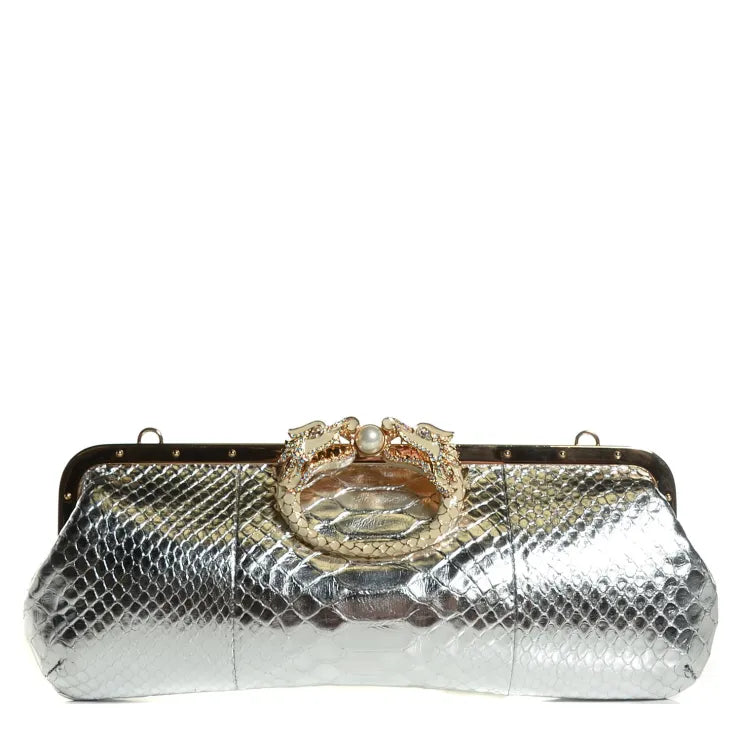
For his final act in 2004, Ford introduced the Dragon Clutch. Featuring two ornate gold dragon heads on an exotic skin flap, it was a haute and fiery closing act that left the fashion world reeling.
Shockingly Good
Tom Ford’s visual language was disruptive and very much iconic. It shocked as it sent shivers down people’s spines and into their accompanying Tom Ford Gucci bags. Whether you’re a fan of Demna’s Gucci or Tom Ford’s, you can shop all iterations of the house at FASHIONPHILE.