Tone & Texture: Choosing Chanel Textiles
Within the world of Chanel (and what a wonderful world it is), there’s much to be considered: it’s a veritable Candyland of colors, styles, sizes, and yes — textiles.
While it may not be the first thing you think about when looking into your next purchase, the textile is an important consideration to look into before you hit the checkout button.
Why? Well, darling, I’m glad you asked. The type of material your handbag is made from will influence the way that it looks, and feels, how much care it will need, and ultimately, how well it wears. Which of course will influence how much it may be worth in the future.
So with that said, let’s explore the most popular textiles Chanel offers and a bit about the appeal (and potential drawbacks) of each. We cover way more here.
Lambskin
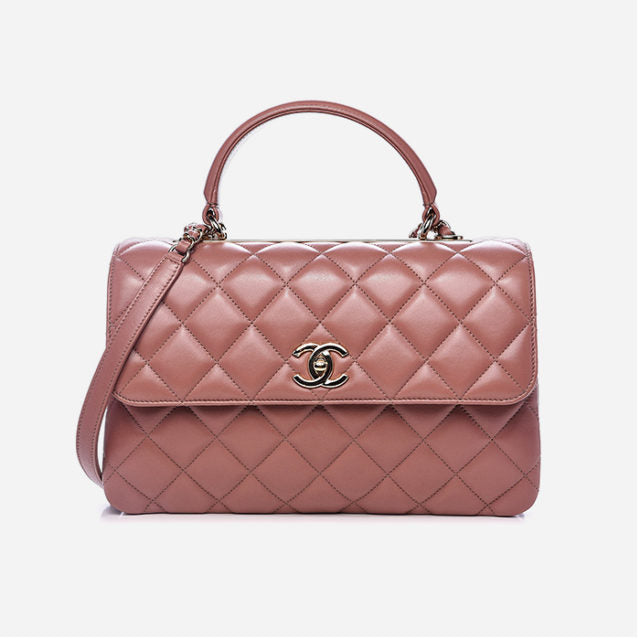
When you think of a truly luscious, supple Chanel handbag, you’re probably picturing one made of lambskin — even if you don’t realize it.
Luxurious and almost pillowy in nature, lambskin is easily the most delicate of all Chanel textiles. It offers a luxe, “matte” looking finish that is gorgeous and high-end, but also rather hard to take care of.
For that reason, most experts (us included) usually wouldn’t recommend it as a beginner’s foray into Chanel. If you have your heart set on it (who are we to rain on your parade?) just be aware that you’ll need to treat it like the sheer gold that it is. That includes wiping it down with a dry cloth very regularly and avoiding exposure to harsh elements, oils, or chemicals.
Calfskin
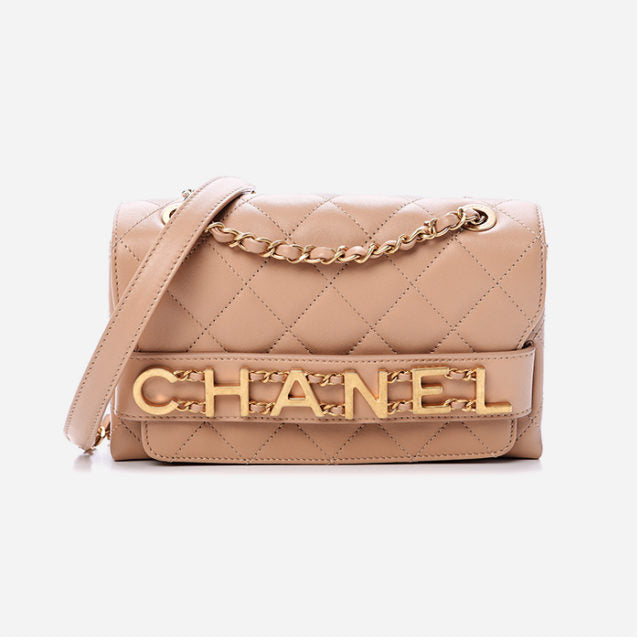
Slightly more durable than lambskin, yet decidedly more supple than, say, a Caviar, calfskin has a finely-grained look available in a few different treatments.
“Aged” calfskin is a bit more creased, yet fresher than a “crumpled calfskin”, which is more textured and closer to caviar in both look and feel.
As you might have guessed, it’s quite versatile and can look very different from bag to bag.
Goatskin
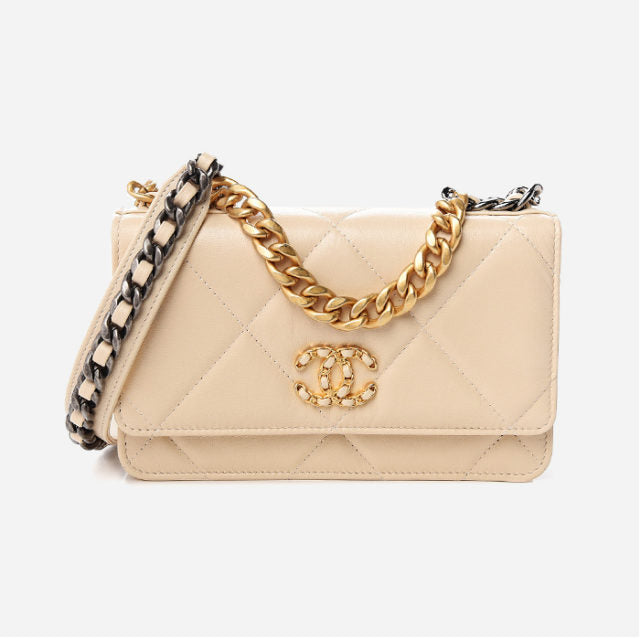
Possibly the most durable of all the Chanel leather options, goatskin is sure to stand the test of time. Despite this, it’s surprisingly soft and supple, though certainly more textured than lambskin. To the untrained eye, it may look very similar to a treated calfskin.
Exotics
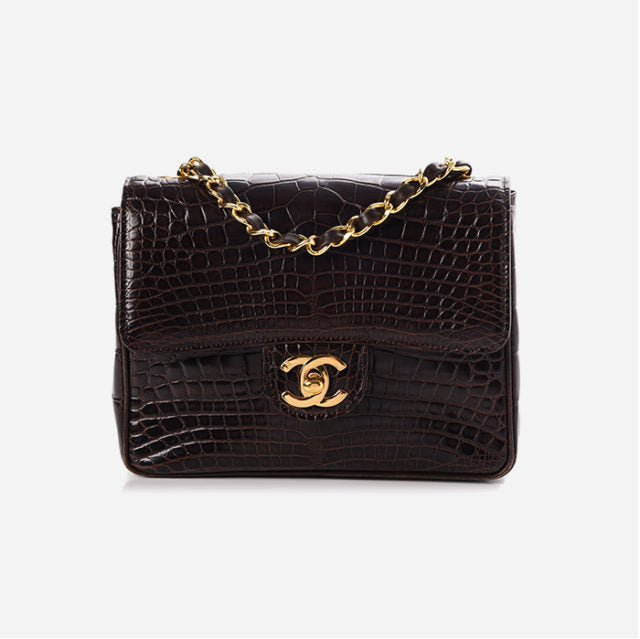
Other exotic skins — like alligator, crocodile, and similar — aren’t made by the fashion house any longer. You can occasionally find them on a pre-owned basis, which in the end, is the most sustainable way to use (and reuse!) exotic skins anyway.
Get the full scoop on iconic Chanel leathers and materials here.